FIELD FILE · KINGMAN-SERPENTREPTILIANLOCAL LEGEND
Kingman Serpent
Also known as Kingman Snake, Giant snake of Kingman County
A giant snake up to 20 feet long reported around Kingman, Kansas, in the 1960s, inspiring a monster hunt in 1969 by hundreds of armed volunteers.
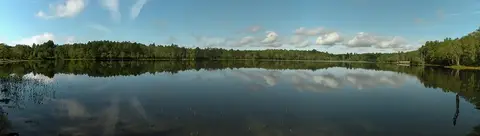
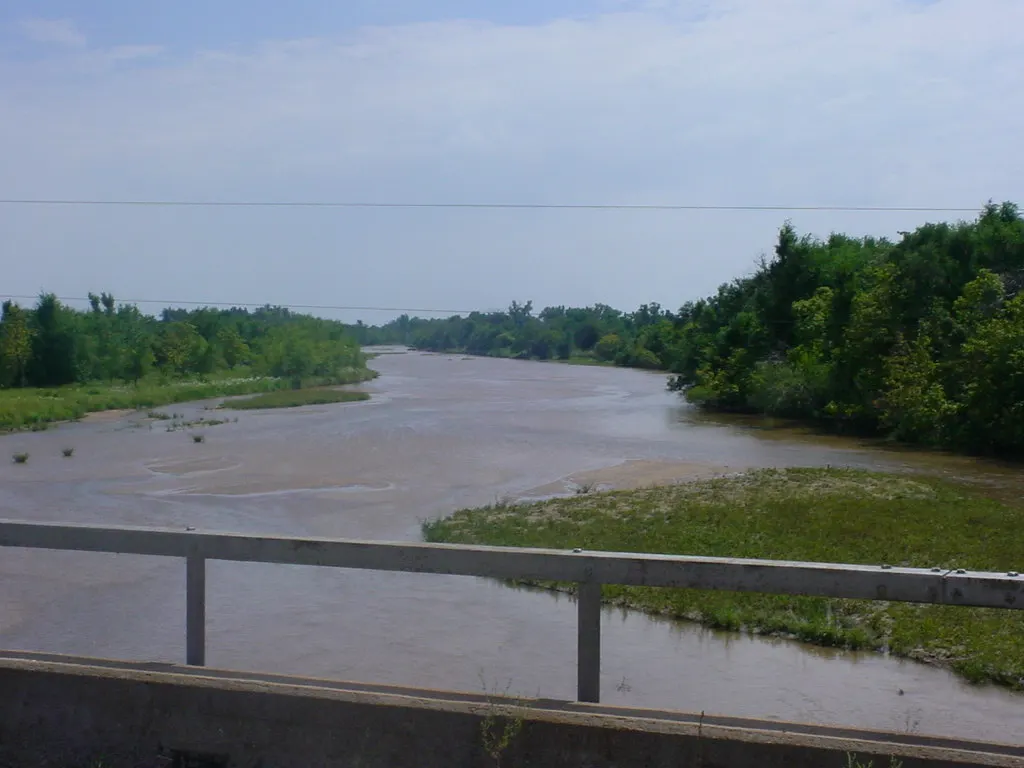
In the 1960s, farmers and travelers around Kingman, a county seat west of Wichita, began telling of a snake far larger than anything native to Kansas. The estimates grew with each telling – from ten feet long and as thick as a man’s arm to twenty feet long and as big around as a person’s torso – and the animal was said to lurk in marshy ground and around the lake country west of town.
The earliest witness usually named is farmer Raymond Dunbar, who said he saw the dirty-brown, shiny-skinned snake in his pasture around 1963 and several times afterward. Other stories told of a cattleman whose horse was tripped by the snake and a truck driver who stopped to watch it cross the road. The most dramatic tale claimed that the serpent killed a calf and dragged it into the water near Kingman County State Lake – a story later researchers could not find in contemporary newspapers.
By the end of the decade, Kingman decided to settle the matter. According to local accounts, a Kingman dentist, Dr. N. E. Allison, organized a hunt in August 1969 that drew more than 750 people, including hunters on foot and horseback and two airplanes scanning from above. They found nothing, and a second search in 1970 ended the same way. The Kingman Serpent then slipped back into local legend, often told alongside Inman’s Sinkhole Sam fifty miles to the north.
- Type
- Reptilian
- Status
- Local legend
- First reported
- 1963
- Best-known location
- Kingman County, south-central Kansas
- Also called
- Kingman Snake, Giant snake of Kingman County
- Reported in
- Kansas
What witnesses describe
A huge snake, estimated from 10 to 20 feet long and from arm-thick to torso-thick, described as dirty brown with shiny skin.
Where and when it’s seen
Pastures, marshes, roadsides and the waters around Kingman County State Lake in south-central Kansas, mainly in warm months during the 1960s.
Notable sightings
- About 1963Raymond Dunbar’s pasture Kingman County, Kansas
Farmer Raymond Dunbar reported a snake 10 to 15 feet long in his pasture and said he saw it several more times. His account is usually treated as the start of the legend.
- August 1969The great snake hunt Near Kingman, Kansas
Hundreds of volunteers – reportedly more than 750, with riders and two planes – joined a hunt organized by a local dentist. No snake was found.
- 1970A second search Near Kingman, Kansas
A follow-up investigation led by the same organizer also came up empty, and reports dwindled afterward.
What could explain it?
- Native snakes misjudged: the bullsnake (gopher snake), Kansas’s longest native snake, can reach about seven feet, and snakes are notoriously hard to size, especially in grass or water. Kansas City Magazine notes the longest native Kansas snake is roughly half the claimed 20 feet.
- An escaped or released pet constrictor such as a Burmese python or boa could explain a single unusually large snake, though it would not survive a Kansas winter for long.
- Rumor and exaggeration: the calf-killing story, which did much to build the legend, has no newspaper documentation, and size estimates grew with retelling.
- Group expectation: once a monster story is circulating, ordinary glimpses of snakes, logs or animal trails are easily read as evidence.
Legend, culture and tourism
The 1969 snake hunt is a classic piece of small-town Kansas lore and is regularly retold together with Sinkhole Sam in Kansas cryptid round-ups, student projects and Halloween features. Kingman even earned an appendix entry in a 2003 guidebook to American cryptids.
Places to visit
The state lake and surrounding wildlife area at the heart of the 1960s stories, open for fishing and hiking.
Where it’s reported
Kingman Serpent in the news
No recent headlines about the Kingman Serpent. Our news desk checks every day — see all cryptid news.
Sources
First published · Updated