FIELD REPORT · SCOTLAND
Loch Ness Register Lists 15 Sightings in 2026, a Record Since 2021
The Official Loch Ness Monster Sightings Register now lists 15 reports for 2026, up from six last year. Here is what is in it and what skeptics say.
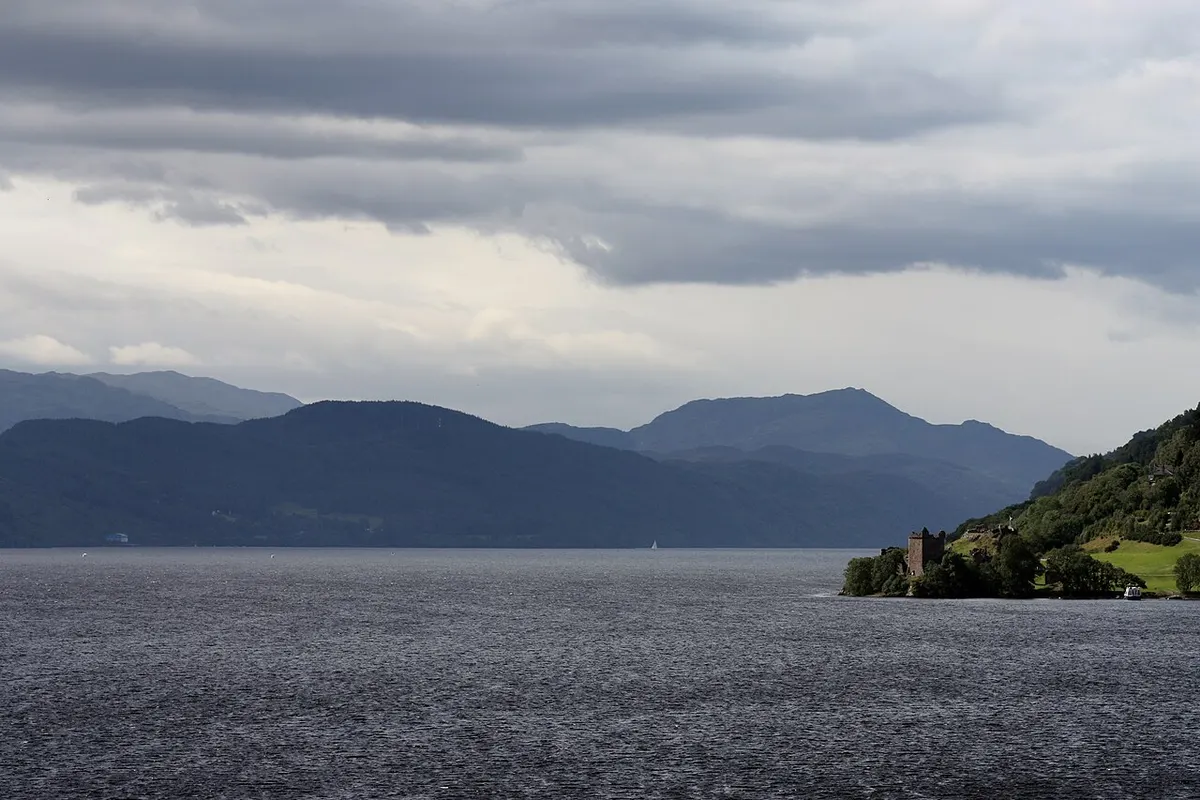
Loch Ness is having its busiest sightings year in at least five years. The Official Loch Ness Monster Sightings Register lists 15 reports for 2026, compared with six for all of 2025 and three in 2024. That is the highest annual total on the register’s page, which starts in 2021; the previous high was ten in 2023. The tally was in the news again in the past week, when People (Oct. 23) and the New York Post (Oct. 26) both ran roundups, and the newest entry on the register’s page is dated Aug. 21.
A bigger number does not, on its own, tell us what people are seeing. This report looks at what the register actually contains, what its keepers and critics say, and the ordinary explanations that go with each kind of report. For the loch’s long history, see our Loch Ness Monster field guide.
What the register lists
The register describes itself as a list of “sightings of something unexplained in Loch Ness” reported since 2021 by “people who have visited or live by the loch.” Its page does not spell out how reports are checked, so a listing is best read as a record that someone reported something, not a finding about what it was.
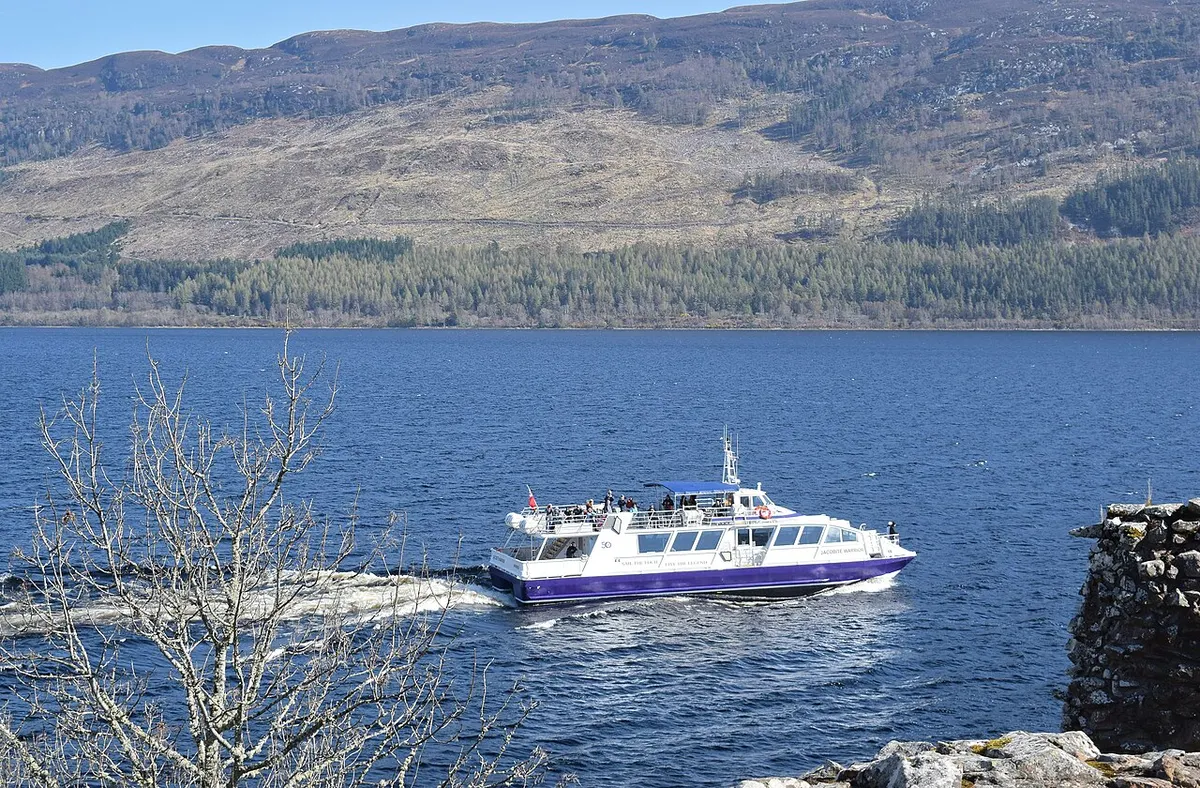
The 2026 entries run from Jan. 12 to Aug. 21 and mostly come from visitors. A family from New Zealand reported a black head followed by a long tail near the Clansman Hotel in January. In April, tourists from Ontario described a large shape with an S-shaped wake from the A82 near Dochgarroch Lock, and an American visitor on a bus saw a whitish-grey, triangle-shaped fin about 18 inches across near Loch Dochfour. The register notes that a Worcestershire visitor aboard a Jacobite cruise boat photographed something on Apr. 25, and the Inverness Courier reported that tally at four official sightings for the year as of May 9.
The summer cluster
More than half of the year’s entries come from July and August, the height of the tourist season. On Aug. 5, Norbert Kawka of Malta told the register he watched something move against the current near Fort Augustus for about 15 minutes, bobbing in and out of the water “like a very large eel.” The next day, Jocelyn Boyce of Barcelona described “a dark, almost black, mound-like shape protruding above the surface of the water,” seen from the Urquhart Castle viewpoint; according to the register, it showed in one photo and was gone in the next.
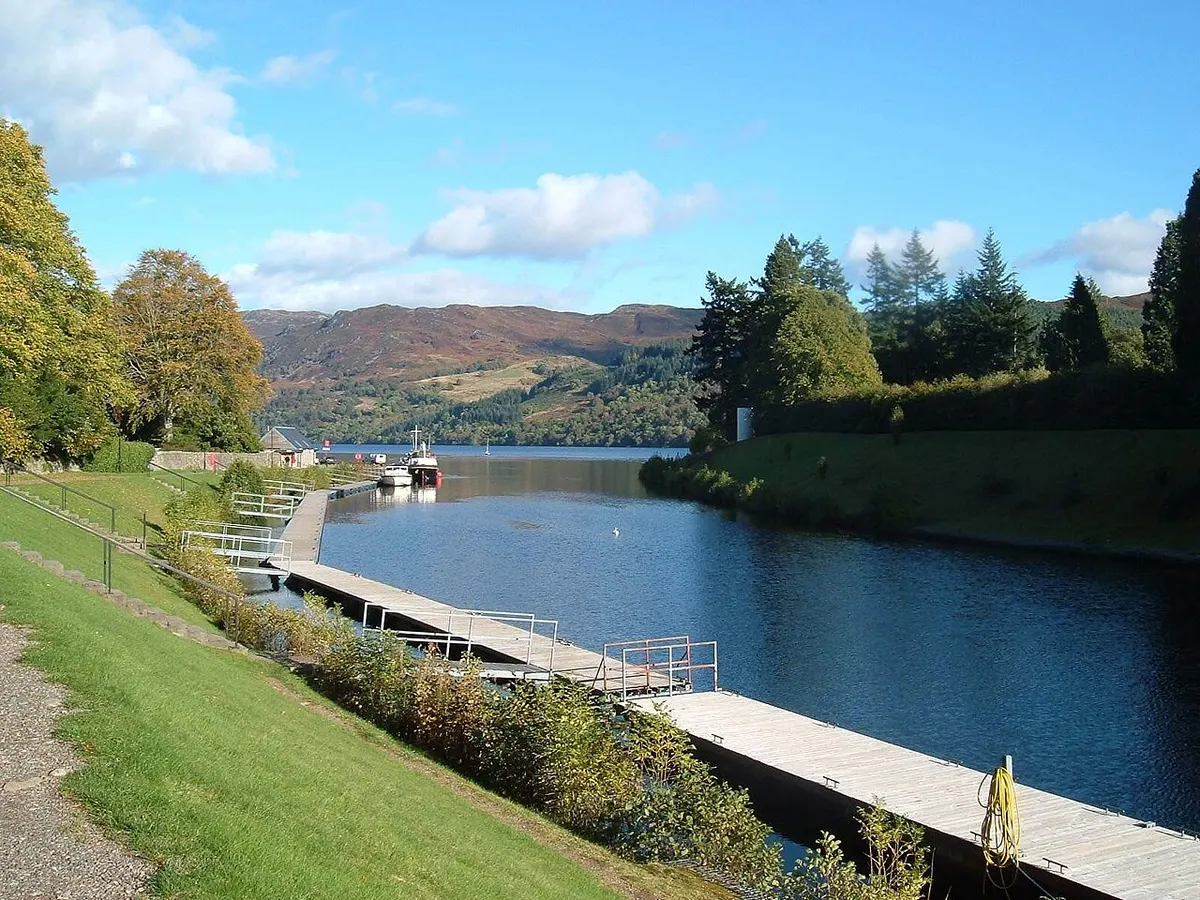
The latest entry is from Aug. 21, when Felix Tiekemeier, a German visitor, photographed a black object that, per the register, was about 6 meters (roughly 20 feet) long and about 300 meters offshore. The register says it stayed on the surface for about 20 seconds and “appeared to have a head.” Other entries are even more modest: a “strange shadow” in the water on July 27, a nine-year-old on a cruise boat who photographed what she called the head of a creature on July 23, and an unnamed sailor who reported seeing a head about 100 meters away on July 25 but did not get a picture.
Different counts, same loch
Tallies differ depending on who is counting and when. The Courier’s early-May count of four included a Mar. 5 capture from a webcam covering the loch. The Northern Times said an American tourist’s May 18 bus-window footage brought the year’s count to six, five from on-site visitors and one from a webcam. The register’s own page now lists 15 entries; the New York Post and People both repeat that number. Treat the figure as the register’s own count rather than an independent measure of Nessie activity.
Believers, skeptics and the eel question
Gary Campbell, who founded the register after his own sighting in 1996 and kept it for 28 years before handing it to his daughter, Paige Daley, at the start of 2024, told the Press and Journal (as quoted by Female First on Oct. 13) that he had no real interest in the monster until he saw something himself. “Now my quest in life is to work out what I saw,” he said. Steve Feltham, a full-time Nessie hunter, told NewsNation (as quoted by People) that the monster’s existence does not depend on any one person’s opinion: “Some people look at all the evidence and conclude there is something to be explained.”
Skeptics point to perception. Naturalist Adrian Shine, whose new book we covered in our earlier Loch Ness report, argues, as the New York Post quotes the book, that “Loch Ness monsters are not seen in waves — Loch Ness monsters are seen in calm, flat water.”
On the science side, a 2019 environmental-DNA survey led by Neil Gemmell of New Zealand’s University of Otago found no reptile DNA but eel DNA almost everywhere it sampled. Gemmell said at the time: “we can’t discount the possibility that there may be giant eels in Loch Ness.” The data do not reveal how large any eel is, and the result does not show that any sighting involved one.
Why the numbers may have jumped
None of the outlets we read offers an explanation for the rise, and we will not guess at one. What can be said is that the register is built from voluntary submissions, so its totals reflect how many people choose to file a report as well as what happens on the water. The New York Post notes that the monster is worth an estimated $55 million a year in regional tourism, a reminder that the loch has many people watching it.
If you plan to look yourself, the register’s entries cluster around the Urquhart Castle headland, Fort Augustus and the cruise-boat routes in between, all places where visitors and cameras gather. Sightings listed there include calm-water humps, wakes and shadows; none has been confirmed as an animal. For more of Scotland’s legends, see our Scotland monster trail.
Sources
- The Official Loch Ness Monster Sightings Register: Sightings from 2021 on
- New York Post via Yahoo: Loch Ness Monster sightings more than double since last year (Oct. 26, 2026)
- People via Yahoo: Loch Ness Monster Sightings Hit 15 in 2026, More Than Double Last Year’s Total (Oct. 23, 2026)
- Inverness Courier: Is this Nessie? Two new sightings take 2026 official total to four (May 9, 2026)
- Northern Times: A large dark object, new Loch Ness Monster encounter (May 31, 2026)
- Female First: Loch Ness Monster expert reveals moment he became a believer (Oct. 13, 2026)
- BroBible: Sailor sees what looked like an ‘oversized crocodile head’ (Sept. 22, 2026)
- Northern Times: Nurse takes over as new registrar of the Official Loch Ness Monster Sightings Register (Jan. 1, 2024)