Field file · Lake & sea monster · Hoax / debunked
Silver Lake Serpent
Also known as Silver Lake Sea Serpent, Perry Sea Serpent
A “horrid” serpent reported by fishermen on Silver Lake, New York, in July 1855 – famously blamed on a hotel owner’s canvas-and-bellows hoax.
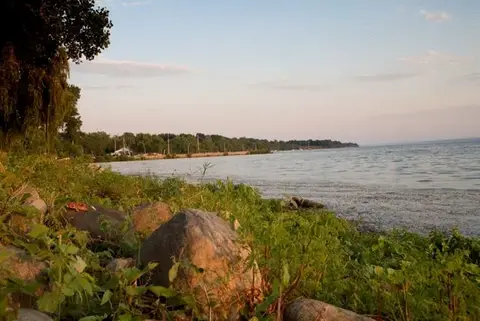
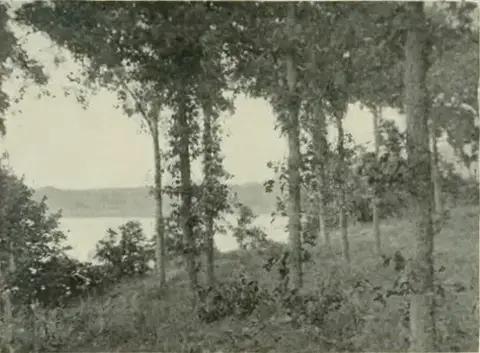
Silver Lake is a small, quiet lake in Wyoming County, western New York, just south of the village of Perry. In the summer of 1855 it briefly became the most talked-about lake in the state, thanks to reports of a huge serpent swimming its waters.
On the night of July 13, 1855, two boys and five men fishing from a boat reported that a “horrid and repulsive looking monster” had surfaced near them. More sightings followed through that summer, and curious visitors poured into Perry hoping to glimpse the beast, while groups of locals set out to hunt it. Some newspapers of the day treated the reports with open ridicule.
The legend’s famous twist came later. According to local tradition, Artemus Walker, owner of the Walker Hotel near the lake, had built the serpent with friends from a wire frame, painted canvas and bellows, and pulled it through the water on moonlit evenings to scare fishermen and fill his rooms. The hoax supposedly ended in 1857 when the hotel burned and the charred remains of a serpent-shaped frame were found in the ruins. That tidy ending is itself mostly undocumented, and skeptics note that a 60-foot inflatable monster sounds almost as unlikely as a real one.
Perry has embraced its fake monster with real affection. The village holds an annual Sea Serpent festival and parade, local artists create serpent sculptures, and in 2024 the William G. Pomeroy Foundation placed a Legends & Lore historical marker at Silver Lake telling the story.
What does Silver Lake Serpent look like?
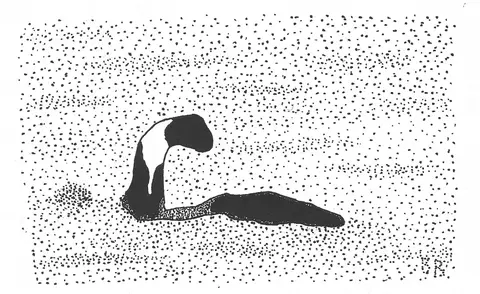
A long, dark serpent with a large head, said to be up to about 60 feet long, rising and plunging through the water. The alleged hoax version was a wire-framed canvas tube, painted and inflated with bellows.
Where is Silver Lake Serpent seen?
Silver Lake, a small lake about a mile south of Perry, New York. The reports came in the summer of 1855, mostly in the evening and at night.
Silver Lake Serpent sightings
- July 13, 1855The fishing party’s monster Silver Lake, near Perry, New York
Two boys and five men fishing from a boat reported a horrid-looking creature rising near them. The report set off a summer of sightings and a rush of visitors.
- 1857The Walker Hotel fire Silver Lake, New York
According to local tradition, the Walker Hotel burned and searchers found the scorched wire skeleton of a serpent in the ruins, exposing the hoax.
- 2024Legends & Lore marker Silver Lake Institute, Silver Lake, New York
The William G. Pomeroy Foundation unveiled a roadside marker recounting the sea serpent legend.
Is Silver Lake Serpent real? What could explain it
- The traditional explanation is a deliberate hoax by hotel owner Artemus Walker to drum up business, though the details of the confession and the burned frame come from later retellings rather than contemporary records.
- The lake is small and shallow – far too limited to support any large unknown animal.
- Once the first report spread, excited crowds were primed to see a serpent in logs, waves, swimming animals or large fish.
Legend, culture and tourism
The serpent is Perry’s mascot. The community’s annual Sea Serpent festival and parade, serpent-themed art installations and the 2024 Pomeroy Foundation marker keep the 1855 hoax alive as a cheerful piece of western New York folklore.
Places to visit
A Legends & Lore historical marker at the Silver Lake Institute telling the story of the 1855 serpent.
A small, undeveloped state park on the lake’s shore, good for a quiet walk where the serpent once swam.
Where it’s reported
Sources
First published · Updated