Field file · Spectral · Local legend
Lafayette Vampire
Also known as Colorado Vampire, Vampire of Lafayette
The grave of Romanian coal miner Todor Glava, who died in 1918, has become a Colorado vampire legend with a staked tree and a dark figure.
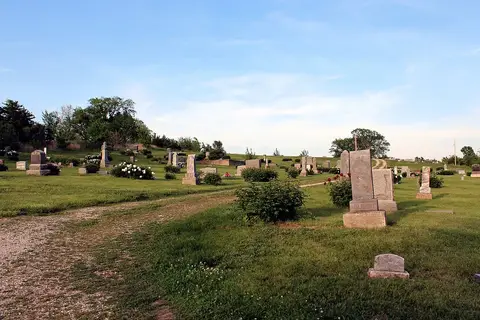
The Lafayette Vampire is the folklore surrounding a single grave in the Lafayette Cemetery, in Boulder County, Colorado. The marker reads Todor (also spelled Teodor) Glava, born in Transylvania. Glava was a Romanian immigrant and coal miner who died in December 1918 at the height of the influenza pandemic. He shares the marker with another Romanian miner, John Trandafir, who died two days later.
According to the legend, townspeople grew suspicious, exhumed Glava, found long teeth, blood at the mouth and ever-growing fingernails, and drove a stake through his heart. A tree is said to have grown from the stake and a rose bush from his fingernails. Some tellings add that a tall dark figure lingers near the grave at night.
The documentary record is thin. Estate records indicate Glava was embalmed and buried about two days after death after weeks of illness, and the Lafayette Miners Museum has reportedly said that the only documents supporting the legend are his obituary and draft card. The vampire story appears to date from the 1950s, when parents told children to get home before dark, and spread through newspaper pieces, blogs and the internet starting around the late 1980s and 1990s.
Skeptics see a mix of Dracula-inspired storytelling, suspicion of Eastern European immigrants, and the fears of the 1918 pandemic. The grave is a real place where a real person is buried, and visitors are asked to treat it respectfully.
What witnesses describe
In legend, a tall, pale, thin man with long teeth and blood on his lips; reportedly seen as a dark figure by the grave at night.
Where and when it’s seen
A quiet old section of Lafayette Cemetery, with a tree behind the marker, mostly seen in stories told around Halloween.
Notable sightings
- December 1918Glava dies in the flu pandemic Lafayette, Colorado
The Romanian miner died during the Spanish flu pandemic and was buried in the town cemetery.
- 1993Press attention to the legend Colorado
The Rocky Mountain News carried a piece quoting a self-described vampire enthusiast, an example of the later embellishment of the legend.
- 2021Local retellings and fact-checks Lafayette, Colorado
Magazine and newspaper features, including Yellow Scene and the Colorado Springs Gazette, revisited the grave and the thin evidence for the legend.
What could explain it?
- No contemporary record of an exhumation or staking has been found; the legend seems to be a mid-twentieth-century invention.
- The Transylvania inscription and the popularity of Dracula stories encouraged the vampire label.
- Fear of disease during the 1918 pandemic and prejudice toward immigrants are common roots of vampire stories, as folklorists point out.
Legend, culture and tourism
The grave has become a small Halloween pilgrimage, sometimes decorated with odd offerings, and appears in Colorado roadside and ghost-story books. The Lafayette Miners Museum preserves the real history of the town’s coal miners.
Places to visit
The grave is in the old cemetery; please be quiet and respectful, as this is a real burial site.
Where it’s reported
Sources
First published · Updated