FIELD FILE · GLAWACKUSBIG CATLOCAL LEGEND
Glawackus
Also known as Glastonbury Glawackus, Northern Devil Cat
A screaming, part-panther, part-bear beast blamed for missing livestock around Glastonbury, Connecticut, in a 1939 newspaper-fueled panic.
The Glawackus is Connecticut’s home-grown mystery beast – a creature born in the winter of 1939 in the woods and farmland of Glastonbury, just across the Connecticut River from Hartford. Residents reported unearthly screams in the night, and pets and small farm animals went missing. The Hartford Courant took up the story in January 1939, and reporter Francis King gave the animal its name: “Glawackus,” usually explained as a mash-up of Glastonbury and “wacky.”
Descriptions never quite agreed. Witnesses and writers described something between a panther, a bear and a big dog or lion, with a shriek likened to a hyena’s cackle. A trail of tracks was reportedly followed for some two miles east of town, local caving enthusiasts searched nearby caves for a den, and a pair of hounds trained for hunting big cats was brought in to track it. Organized parties of armed hunters went out into the woods. They found nothing.
The scare had all the ingredients of a good newspaper story, and it spread well beyond Connecticut. National radio commentator Lowell Thomas told listeners the beast had been named by a “Connecticut scientist,” and the fruitless hunt was even mocked in comic verse. Folklorist Stephen Olbrys Gencarella of UMass Amherst has described how frightened schoolchildren and worried parents lit up local switchboards – and how pranksters joined in, faking footprints in the snow and in caves, while businesses cashed in with “Glawackus steaks” and joke promotions. The Glawackus has also been folded into the older tradition of lumberjack “fearsome critters,” though its documented history begins with the 1939 panic.
Today the Glawackus is more mascot than menace. It lends its name to a YMCA summer camp, appears on plush toys and local art, and since 2023 has cheered on the Hartford Athletic soccer club as the mascot Dillon. Every few decades, local storytellers like to say, it returns to frighten a new generation.
- Type
- Big cat
- Status
- Local legend
- First reported
- 1939
- Best-known location
- Glastonbury, Connecticut
- Also called
- Glastonbury Glawackus, Northern Devil Cat
- Reported in
- Connecticut
What witnesses describe
A large, dark predator described as a cross between a panther, a bear and a lion or dog, with a terrifying screech or cackle. Later folklore adds fanciful details such as blindness or a stare that wipes a person’s memory.
Where and when it’s seen
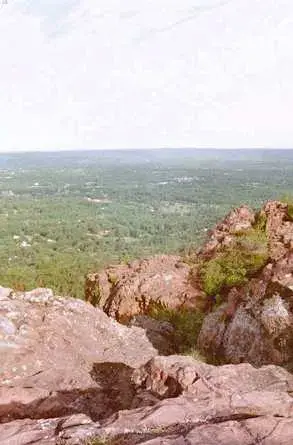
The woods, ledges and farm country east of Glastonbury, Connecticut, toward the hills of eastern Hartford County; reported in winter, mostly at night.
Notable sightings
- Winter 1939Hunts, hounds and caves East of Glastonbury, Connecticut
Hunting parties searched the woods, a trail of tracks was followed for some two miles, cavers explored local caves, and dogs trained for hunting panthers were brought in. The animal was never found.
- 1939Lowell Thomas spreads the word National radio
Popular broadcaster Lowell Thomas reported on the Glawackus, claiming it had been named by a Connecticut scientist and carrying the local scare to a national audience.
- January 1939The Glastonbury creature hits the headlines Glastonbury, Connecticut
The Hartford Courant reported a mysterious animal howling at night and blamed for vanished dogs, cats and small livestock. The paper’s coverage gave the beast its comic name.
What could explain it?
- A wandering bobcat, fisher, dog or – less likely by 1939 – an escaped exotic cat may have been behind the screams and livestock losses; fishers and foxes make startling night-time shrieks.
- Newspaper humor and rivalry probably inflated an ordinary predator problem into a monster story, as the jokey name suggests.
- Folklorist Stephen Gencarella notes that a local practical joker faked footprints in the snow and others planted fake prints in caves, so at least part of the evidence was hoaxed.
- The fearsome-critter details (blindness, memory-wiping stare) are later literary additions, not part of the 1939 reports.
Legend, culture and tourism
The Glawackus is a beloved bit of Connecticut whimsy: it is the namesake of the YMCA of Greater Hartford’s Camp Glawackus, and since 2023 a fluffy green-and-blue version named Dillon has been the mascot of the Hartford Athletic soccer club. It also turns up in art shows, plush toys and regional books on Connecticut legends.
Places to visit
Home of Hartford Athletic, where the Glawackus mascot Dillon appears at home matches.
Where it’s reported
Glawackus in the news
No recent headlines about the Glawackus. Our news desk checks every day — see all cryptid news.
Sources
First published · Updated