FIELD FILE · PUKWUDGIEHUMANOIDFOLKLORE
Pukwudgie
Also known as Pukwudgee, Puk-Wudjie, Little wild people of the forest
Small, gray-skinned forest people of Algonquian tradition – foes of the Wampanoag giant Maushop – said to linger in southeastern Massachusetts woods.
Many Algonquian-speaking nations of the Northeast and Great Lakes tell of little people who live in the woods – beings who may help, tease or harm humans depending on how they are treated. In southeastern Massachusetts, the homeland of the Wampanoag, these stories became entwined with the giant Maushop, a culture hero credited with shaping features of Cape Cod and the islands. In the versions most often told today, the small forest people grew jealous of the affection the people felt for Maushop and turned from mischief to malice. Maushop scattered them across the land, but in revenge they killed his five sons with poisoned arrows.
These narratives belong to living Indigenous communities, and it is worth being careful about how they reached the wider public. The word “Pukwudgie” itself comes from Ojibwe stories of the Great Lakes, first printed by Henry Rowe Schoolcraft in 1839 and made famous by Henry Wadsworth Longfellow’s 1855 poem The Song of Hiawatha, in which the little people kill the strong man Kwasind. Folklorist Stephen Gencarella has argued that the name was carried to Massachusetts after Longfellow, and that the original local name is lost. Popular retellings – a 1906 Middleborough town history, Elizabeth Reynard’s 1934 Cape Cod book The Narrow Land, and Jean Fritz’s 1982 children’s story The Good Giants and the Bad Pukwudgies – mixed and reshaped the material.
In the late twentieth century the Pukwudgie found a second life in paranormal circles as a resident of the “Bridgewater Triangle,” a stretch of swamp and forest south of Boston centered on the Hockomock Swamp, which Wampanoag tradition knew as a place where spirits dwell. Hikers and paranormal writers began to describe small, gray, troll-like figures in the Freetown–Fall River State Forest, and to blame them for disorientation, strange lights and worse. Those modern claims are best understood as a new layer of New England ghost lore laid over much older Native stories – not as the stories themselves.
Today the Pukwudgie is part of the regional imagination. Freetown police put up a joking “Pukwudgie Xing” sign near the state forest on April Fools’ Day 2017, and the beings appear in fantasy fiction, including J. K. Rowling’s backstory for the American wizarding school Ilvermorny. Anyone curious about the traditions behind them can learn far more from Wampanoag cultural institutions than from cryptid websites.
- Type
- Humanoid
- Status
- Folklore
- First reported
- Pre-colonial
- Best-known location
- Southeastern Massachusetts, especially Freetown–Fall River State Forest
- Also called
- Pukwudgee, Puk-Wudjie, Little wild people of the forest
- Reported in
- Massachusetts
What witnesses describe
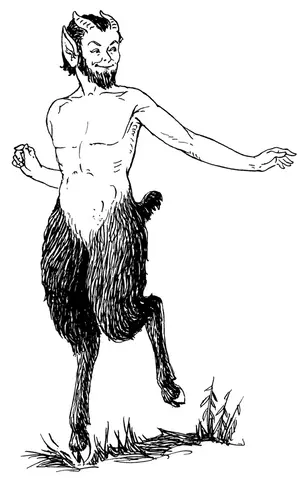
In traditional descriptions, a small human-like being two to three feet tall with gray skin and a large nose, ears and fingers. From behind it may resemble a porcupine. It is said to appear and vanish at will and to take other shapes, including a porcupine or a cougar, and is sometimes accompanied by a sweet smell.
Where and when it’s seen
Forests, swamps and rocky ledges of southeastern Massachusetts, from the Hockomock Swamp to the Freetown–Fall River State Forest; related little-people traditions are found across the Northeast and Great Lakes.
Notable sightings
- 1839Schoolcraft’s <em>Algic Researches</em> Great Lakes region
Ethnologist Henry Rowe Schoolcraft published Ojibwe stories of the little people of the woods. His work gave English readers the word that became “Pukwudgie.”
- 1855Longfellow’s <em>Song of Hiawatha</em> Cambridge, Massachusetts
Longfellow’s best-selling poem, drawing on Schoolcraft, has the Pukwudgies kill the giant Kwasind. Its popularity spread the name throughout New England.
- 1934<em>The Narrow Land</em> Cape Cod, Massachusetts
Elizabeth Reynard’s collection of Cape Cod lore told how Maushop and his wife lost their five sons to the little people’s poisoned arrows, the version most often repeated today.
- April 1, 2017“Pukwudgie Xing” Freetown, Massachusetts
The Freetown Police Department posted a tongue-in-cheek Pukwudgie crossing sign near the state forest, joking that mating season lasted only through April Fools’ Day.
What could explain it?
- In Indigenous tradition, Pukwudgies are spiritual and moral figures rather than an undiscovered animal; treating them as a “cryptid” is a modern reinterpretation.
- The name and several popular plots were imported or reshaped by nineteenth- and twentieth-century writers, so many “Wampanoag legends” online are literary retellings.
- Modern reports of small gray figures in Freetown’s woods rest on anecdotes and are shaped by the Bridgewater Triangle’s reputation, poor light and suggestion.
- Getting lost or feeling uneasy in dense forest and swamp is common, and folklore offers a ready explanation for the experience.
Legend, culture and tourism
The Pukwudgie stands at the meeting point of Wampanoag oral tradition, nineteenth-century American literature and modern paranormal lore. Maushop and his wife (known as Granny Squannit or Quant) remain important figures in Wampanoag storytelling. The Pukwudgie features in Longfellow’s Hiawatha, Jean Fritz’s children’s books, Bridgewater Triangle documentaries and J. K. Rowling’s Ilvermorny lore, where a Pukwudgie names one of the school’s houses.
Places to visit
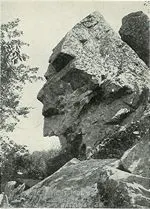
A large state forest with Profile Rock, long a place of local legend, and miles of woodland trails.
Where it’s reported
Pukwudgie in the news
No recent headlines about the Pukwudgie. Our news desk checks every day — see all cryptid news.
Sources
First published · Updated