FIELD FILE · OKLAHOMA-OCTOPUSLAKE & SEA MONSTERHOAX / DEBUNKED
Oklahoma Octopus
Also known as Freshwater Octopus of Oklahoma, Lake Thunderbird Octopus
A horse-sized freshwater octopus said to drag swimmers to their deaths in Oklahoma’s reservoirs – a legend largely built by books and a 2009 TV show.
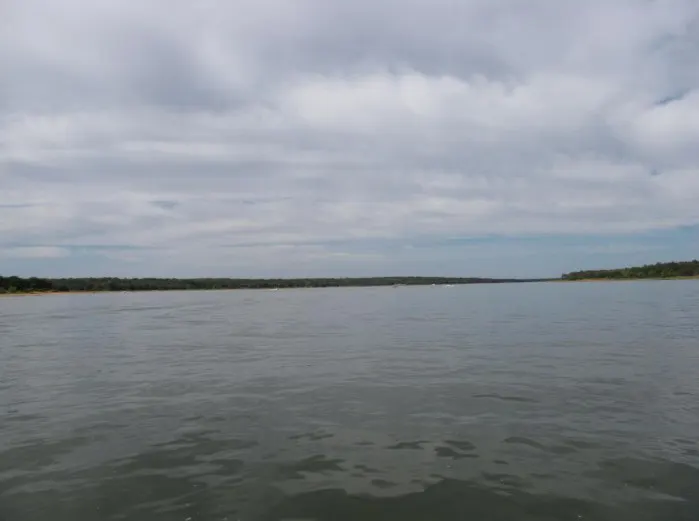
The Oklahoma Octopus is supposedly a tentacled, horse-sized cephalopod with leathery reddish-brown skin that lurks in three Oklahoma lakes – Lake Thunderbird near Norman, Lake Tenkiller in the Cookson Hills and Lake Oologah north of Tulsa – and is blamed for drownings. It is one of the internet’s favorite cryptids, and one of the least likely.
Researchers who have traced the story find that it is surprisingly recent. The earliest detailed description appears to be a 1987 article by Kiowa writer Russell Bates in the INFO Journal, presenting it as a tradition more than 200 years old about a creature in lakes near Caddo country – an attribution later researchers have found impossible to confirm. A 1982 Daily Oklahoman story about two boys who found a dead octopus on the Verdigris River, near two of the lakes, may have helped inspire the tale; Loren Coleman suggested such stories began with carcasses dumped as pranks.
The legend went mainstream in the mid-2000s, appearing in Oberon Zell-Ravenheart’s A Wizard’s Bestiary and Scott Francis’s 2007 Monster Spotter’s Guide to North America, which named the same three lakes and said some people blamed drownings on giant octopi. In January 2009 Animal Planet’s docufiction series Lost Tapes dramatized the creature, and the name “Oklahoma Octopus” took off online.
When an Oklahoma Gazette reporter asked park managers at Lake Thunderbird and Lake Tenkiller about the beast, they said they had never heard of it. Scientists point out that every known octopus is a saltwater animal, and that the lakes are mid-20th-century reservoirs created by damming rivers far from any sea. Even so, the Oklahoma Octopus has become a beloved bit of state oddity lore.
- Status
- Hoax / debunked
- First reported
- 1987
- Best-known location
- Lakes Thunderbird, Tenkiller and Oologah, Oklahoma
- Also called
- Freshwater Octopus of Oklahoma, Lake Thunderbird Octopus
- Reported in
- Oklahoma
What witnesses describe
An octopus-like animal about the size of a horse, with long tentacles and leathery, reddish-brown skin. It is said to grab swimmers from below.
Where and when it’s seen
Three man-made lakes: Lake Thunderbird (Cleveland County), Lake Tenkiller (Cherokee and Sequoyah counties) and Lake Oologah (Rogers and Nowata counties), Oklahoma.
Notable sightings
- 1982An octopus on the Verdigris Verdigris River, northeastern Oklahoma
The Daily Oklahoman reported that two boys found a dead octopus by the river – most likely a discarded bait or market specimen – near two of the lakes later linked to the legend.
- 1987“Legends of the Kiowa” <em>INFO Journal</em>
Writer Russell Bates described a large, reddish-brown, tentacled lake creature, the earliest known detailed account of what became the Oklahoma Octopus.
- 2007The monster-spotter’s guide <em>Monster Spotter’s Guide to North America</em>
Scott Francis’s book claimed that carnivorous freshwater octopi inhabit three Oklahoma lakes and are blamed by some for drownings.
- January 2009<em>Lost Tapes</em> episode Animal Planet
The docufiction series aired an episode about the Oklahoma Octopus, and online interest in the name roughly doubled that month.
What could explain it?
- No octopus or other cephalopod is known to live in fully fresh water; adapting would require major changes to how its cells regulate salt.
- The lakes are reservoirs created by damming rivers in the mid-20th century; an octopus would have had to travel up the Mississippi and past numerous dams to get there.
- Drownings in large reservoirs are tragically common and are explained by currents, cold water, alcohol and lack of life jackets.
- The legend’s spread can be traced through specific books and a dramatized TV show, and local park managers had never heard of it before the media attention.
- The claim of a centuries-old Native American tradition has not been confirmed by any tribal nation or independent source.
Legend, culture and tourism
The Oklahoma Octopus is a popular subject of state cryptid lists, T-shirts and podcasts, and it featured in Animal Planet’s Lost Tapes. It is a good case study in how a modern legend can be built from a book entry and a TV episode.
Places to visit
A popular state park on the lake most often named in the octopus legend, with beaches, trails and boating.
Where it’s reported
Oklahoma Octopus in the news
No recent headlines about the Oklahoma Octopus. Our news desk checks every day — see all cryptid news.
Sources
First published · Updated