FIELD FILE · COLOSSAL-CLAUDELAKE & SEA MONSTERLOCAL LEGEND
Colossal Claude
Also known as Columbia Bar Sea Serpent, Claude
A long-necked sea serpent reported by lightship and fishing crews at the mouth of the Columbia River between 1934 and 1939, nicknamed Colossal Claude.
Colossal Claude is the nickname given to a sea serpent said to have haunted the Columbia River Bar – the notoriously dangerous meeting of river and Pacific Ocean between Oregon and Washington – in the 1930s. Unlike many sea-monster stories, the main witnesses were working mariners: lightship crews, tender crews and commercial fishermen.
The first report came in mid-March 1934, when the crew of the lightship Columbia, anchored off the river mouth, and the lighthouse tender Rose near the South Jetty said they had watched a strange animal in the water. First mate L. A. Larson described a creature about 40 feet long with an eight-foot neck, a round body, an “evil snaky looking head” and a mean-looking tail; the Rose’s captain, J. F. Jensen, thought its head looked more like a camel’s. Crew members wanted to row out for a closer look, but officers refused, fearing the animal could capsize a small boat.
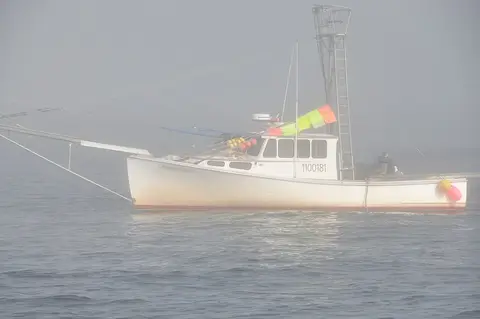
More reports followed. In 1937 Captain Charles Graham and the crew of the trawler Viv described a hairy, tan, 40-foot creature with a horse-like head, and later that year beachgoers on the central Oregon coast reported a hairy animal near Devil’s Churn that they followed to Heceta Head. On April 13, 1939, Captain Chris Anderson of the fishing boat Argo said the creature passed within about ten feet of his boat and seemed to be taking fish from the lines – the last widely accepted sighting.
The newspapers of the day gave the story only modest attention, but the nickname Colossal Claude stuck, and the serpent became a fixture of Astoria maritime lore. The Columbia River Maritime Museum has collected local stories about Claude, who by some accounts has not been seen since the mid-1950s.
- Status
- Local legend
- First reported
- 1934
- Best-known location
- Mouth of the Columbia River, near Astoria, Oregon
- Also called
- Columbia Bar Sea Serpent, Claude
- Reported in
- Oregon Washington
What witnesses describe
A creature about 40 feet long (one estimate 55 feet), with a long neck of about eight feet, a round body and a tapering tail. The head was described as snake-like, camel-like or horse-like; later witnesses described tan or brown hair.
Where and when it’s seen
The Columbia River Bar and nearby Pacific coast of Oregon and Washington, especially around the South Jetty and lightship station. Sightings often coincided with the spring Chinook salmon run.
Notable sightings
- March 1934The lightship crews’ sighting Columbia River Bar, near the South Jetty
Crews of the lightship Columbia and the tender Rose reported a 40-foot creature with an eight-foot neck. Officers refused to let sailors approach it in a small boat.
- 1937The trawler <em>Viv</em> Off the Columbia River mouth
Captain Charles Graham and his crew described a hairy, tan animal about 40 feet long with a horse-like head, seen at close range.
- Later in 1937From Devil’s Churn to Heceta Head Central Oregon coast
Beachgoers reported a hairy creature, estimated at 55 feet with its head held high above the water, and followed it down the coast until it headed out to sea.
- April 13, 1939The <em>Argo</em> encounter Columbia River Bar
Captain Chris Anderson reported the creature passing within ten feet of his fishing boat and apparently stealing fish from the lines – the last widely accepted sighting.
What could explain it?
- Sea lions, elephant seals, and basking sharks – which were common off the Pacific Northwest coast in the 1930s and can reach 30 feet or more – can appear serpentine when swimming at the surface or seen in pairs.
- A strange carcass that washed up on Washington’s Long Beach Peninsula a few months after the 1934 sighting was probably an oarfish or a decomposed shark, a common source of “sea serpent” remains.
- Sightings clustered in salmon season, when abundant fish drew large predators such as seals, sea lions and sharks to the river mouth.
- Fishermen’s tall tales may have played a part, though the reports came from several unrelated crews.
- A surviving plesiosaur, sometimes proposed, is ruled out by tens of millions of years without fossils and by the absence of any carcasses or beachings.
Legend, culture and tourism
Claude is part of the maritime folklore of Astoria and the lower Columbia, alongside tales of shipwrecks on the “Graveyard of the Pacific.” The Columbia River Maritime Museum in Astoria has gathered local Claude stories, and the serpent appears regularly in Oregon history columns such as Finn J. D. John’s Offbeat Oregon.
Places to visit
A museum of Columbia Bar history where a later Lightship Columbia is moored, and where staff have collected Claude stories.
Where it’s reported
Colossal Claude in the news
No recent headlines about the Colossal Claude. Our news desk checks every day — see all cryptid news.
Sources
First published · Updated