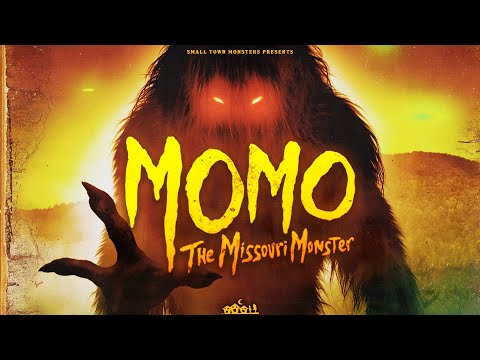
Momo (the Missouri Monster) · Hominid · 6:42
MoMo the Missouri Monster: Louisiana, Missouri’s Bigfoot | Living St. Louis
Nine PBS · YouTube
St. Louis public television feature revisiting the 1972 scare with local residents.
About this video
This short feature comes from Living St. Louis, the local magazine program on Nine PBS, the public television station in St. Louis. Posted in September 2023, a little over fifty years after the scare, it runs just under seven minutes and revisits Mo-Mo, the hairy "Missouri Monster" reported around the Mississippi River town of Louisiana, in Pike County, in the early 1970s.
The story is told mostly by locals. Brent Engel, president of the Louisiana Area Historical Museum board, walks through the early reports: a 1971 picnic sighting along Highway 79 and the July 1972 account of a teenage girl who saw a stinking, hairy creature apparently carrying a dead dog. Museum treasurer Linda Beer remembers how her family on Star Hill took the excitement. The second half follows the monster into popular culture, especially "Mo-Mo, the Missouri Monster," the 1972 novelty song by Bill Whyte, who explains how a poem from radio-station coworkers became a regional hit. The feature ends with the town's sold-out 50th-anniversary concert in 2022.
Key moments
- 0:00The feature opens with Bill Whyte's 1972 song summing up the scare in Louisiana, Missouri.
- 0:43Brent Engel describes Mo-Mo as a smaller, hairier, equally smelly cousin of Bigfoot.
- 1:06The earliest reported encounter: two St. Louis women picnicking on Highway 79 in July 1971.
- 1:49The famous July 1972 sighting, in which a 15-year-old saw a hairy creature holding what looked like a dead dog.
- 2:56Reports of fireballs in the sky follow, and national networks and newspapers descend on the town.
- 3:17Bill Whyte explains how a poem from his radio-station coworkers became a hit novelty record.
- 4:25Mo-Mo's legacy: a burger, a Six Flags St. Louis ride and a packed 50th-anniversary concert in 2022.
What to look for
This is a nostalgic community portrait more than an investigation, and its interviewees are open about that. Engel calls only a handful of the 1972 reports probably genuine, Beer remembers her relatives treating it all as good fun, and the piece notes that no physical evidence was ever found. The 1972 letter read near the end, which wonders whether the monster was imagined, captures how quickly the scare turned into folklore.
Watch for how fast commerce and music took over the story: a song, a burger and an amusement-park ride all followed within a couple of years. Skeptics point to hoaxes and to the ordinary wildlife and stray dogs of the wooded bluffs, while some locals still say the original witnesses saw something real.